Intro: gaming's top advertising channel is now influencer marketing
The rise of gaming influencers and streaming culture
Gaming influencers have become full-scale entertainers, community leaders, and brand ambassadors. Platforms like Twitch, YouTube Gaming, and TikTok have elevated them to celebrity status, giving gaming brands unparalleled access to passionate, engaged audiences.
Gaming audiences = highly engaged, niche communities
Gamers aren't just passive viewers. They exist in pocket online communities that match their attitudes, beliefs and culture. These spaces are led and moderated by their favorite influencers! Players trust influencers and their opinions because they are part of their community and are treated like a friend. Direct brand interactions have become far more rare, because players don't feel like they're speaking to a peer.

In 2025, influencer partnerships are one of the few consistent ways brands can enter these communities organically, with endorsement, credibility and authentic reach.
5 influencer marketing strategies gaming brands should use
1. Ensure influencer and content fit at all costs
Choosing influencers whose content aligns with your game's genre and target player base is key for success.
Data can and should guide you in choosing which creators to work with. For a given simulator title, specific creators known for sim content may be a better fit than general variety influencers, regardless of CCV.
With Dare Drop's influencer targeting tools, we see that letting data guide influencer targeting results in 3x longer streams and 30% more viewers for the influencers! Just because they have fun!
2. Mix tier levels (nano, micro, macro) for budget flexibility
When looking at influencers, most see the biggest stars first and for good reason! They do take up a major stake of global viewership so it makes them highly sought after, very busy, and extra expensive.
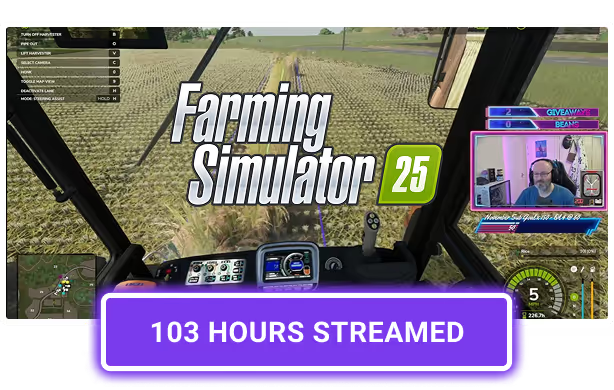
Relying on the chance of getting major influencers alone right before launch might leave you with nothing! Micro and nano influencers often stream exponentially longer than big influencers, have better engagement and tighter-knit communities that are easier to reach and retain.
3. Use influencers in every stage of development
Influencers are not only a tool for launch! Because influencers are so important to launching most games now, it's imperative to consider how the game will engage them, then structure your marketing strategy around that. This helps you craft an experience for your community that is authentic and potentially unique to your game, which audiences love! In the modern influencer marketing landscape, you have to use every marketing opportunity you have to stand out from the crowd. Influencers can start helping with marketing as soon as a trailer is out, adding to the hype with reaction content. After a successful first activation, you can re-engage those same creators with demos and launches to create bigger cultural impacts.
Platforms like Dare Drop help brands to retain their core influencer base and grow, making each beat a cumulative exercise in community engagement that snowballs into your release window.

4. Build long-term influencer partnerships
Consistency builds familiarity. Long-term influencer partnerships reward brands with greater audience trust, repeat impressions, and better campaign performance over time. It is important to not only have monetary exchange with influencers but also build fun into the community by providing many ways to engage and rewarding community engagement.
Strategies like Dares give influencers pathways to get invested in your game by giving them content prompts linked directly to giveaways for their communities. So everyone wins! Each time a creator engages, it becomes easier to pull them in to engage with title after title.
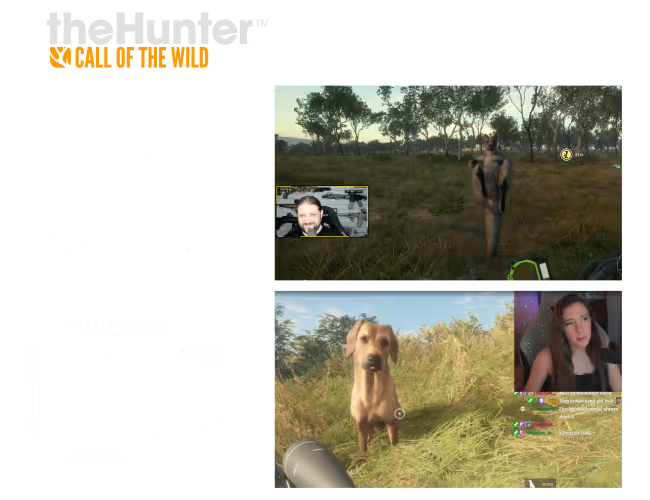
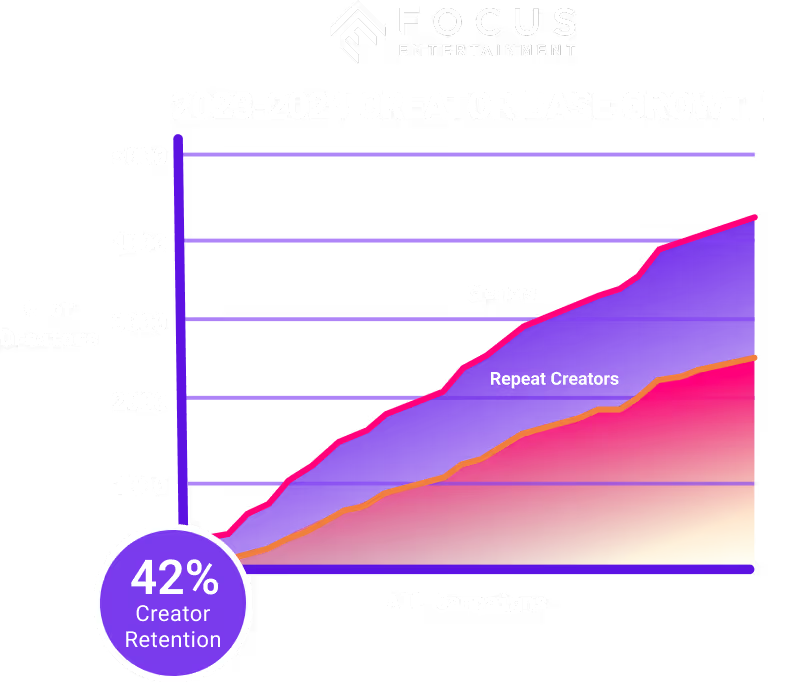
Focus Entertainment did just that: converting creators into long-term partners over 20 games, retaining over 1500 of them to ensure stress-free, exponential social coverage without starting from scratch with every release.
5. Create a content calendar with key events and festivals
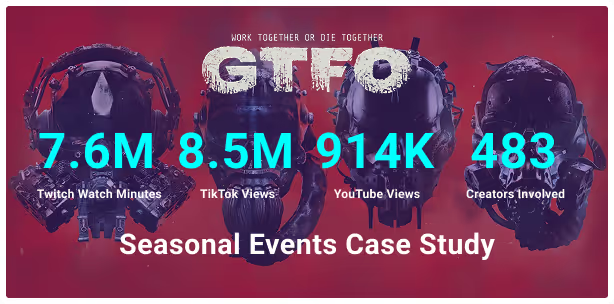
Like it or not, gaming is an event-based industry. Peak season at events like Next Fest, Gamescom or any of Steam's sales and festivals are a core part of any game's success.
Influencers are critical in these high bursts of media attention to help you get the algorithms working in your favor, and rise to the top of platforms like Twitch. Festivals and sales give gamers an easy call to action to support you and grow your core metrics (be it wishlists, sales, or concurrent players).
Measuring ROI: what metrics matter most in gaming campaigns
What can influencer marketers guarantee?
To separate truth and fiction, no one in this industry can guarantee you sales, wishlists or even Steam page views. Influencers work in two phases in your marketing funnel: a thick swath from brand awareness (e.g. TikTok views) through buying intent (e.g. watching your game for 8 hours on Twitch), then again in your player retention stages to help players re-engage and find more ways to have fun with your game.
If you wish to see results from influencers: views, watch time, likes, and other engagements are the best ways to measure success for your content. Then by laying out the rest of your marketing funnel well, you can push those audiences along to conversion.
Consistency helps influencers stick with you long term. Advocacy and word of mouth is what brings in new players. People on the internet spend time in millions of interconnected sub-communities, and the way that products succeed or fail is through helping those communities have positive experiences with them. The role of the marketer then becomes one of a facilitator to shepherd this conversation and provide tools to help your superfans keep that conversation going.
Final thoughts: what you can learn and do next
Gaming influencer marketing isn't a trend: it's the most used and, when expertly done, the most effective growth and retention channel of modern brands. The key to success lies in the match between influencer and audience, smart use of data, and nurturing long-term influencer partnerships.
Talk to our influencer marketing experts
Need help planning or optimizing gaming influencer campaigns or programs? Talk to our team to get started.
Download our guidebooks for more insights and case studies
Want a detailed roadmap or real examples? Take a look at our free strategy guides for more on how we approach engaging influencers.